
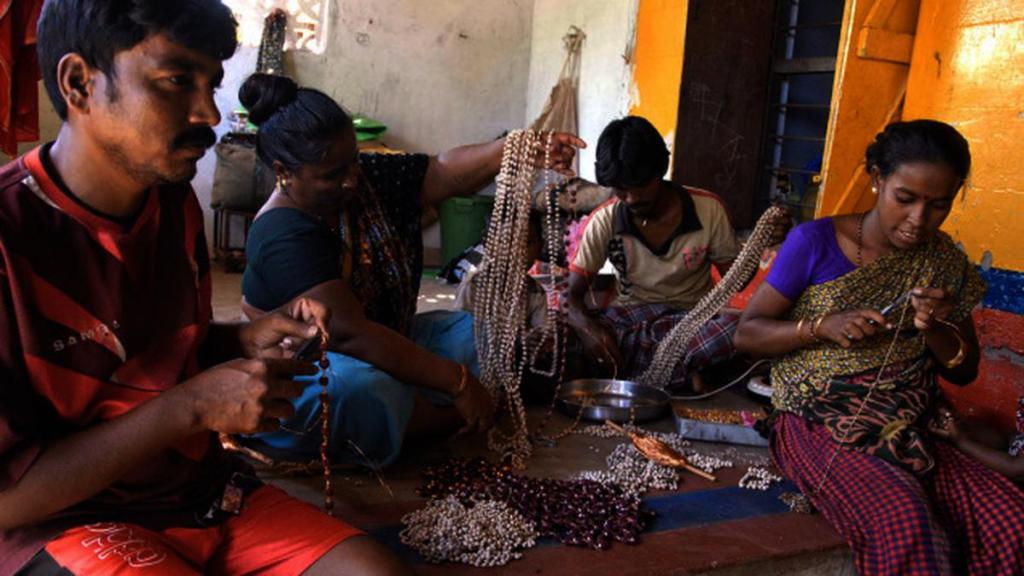
In the heartlands of Tamil Nadu, amidst the lush landscapes and vibrant cultures, two tribes stand out for their rich heritage and deep-rooted traditions – the Narikuravars and the Kuravas. Despite facing myriad challenges, these tribes have demonstrated remarkable resilience and adaptability, leveraging their unique crafts to carve out a niche in the modern world. Let’s delve into the stories of these tribes and explore how their adaptive advantage has become a source of empowerment and pride.
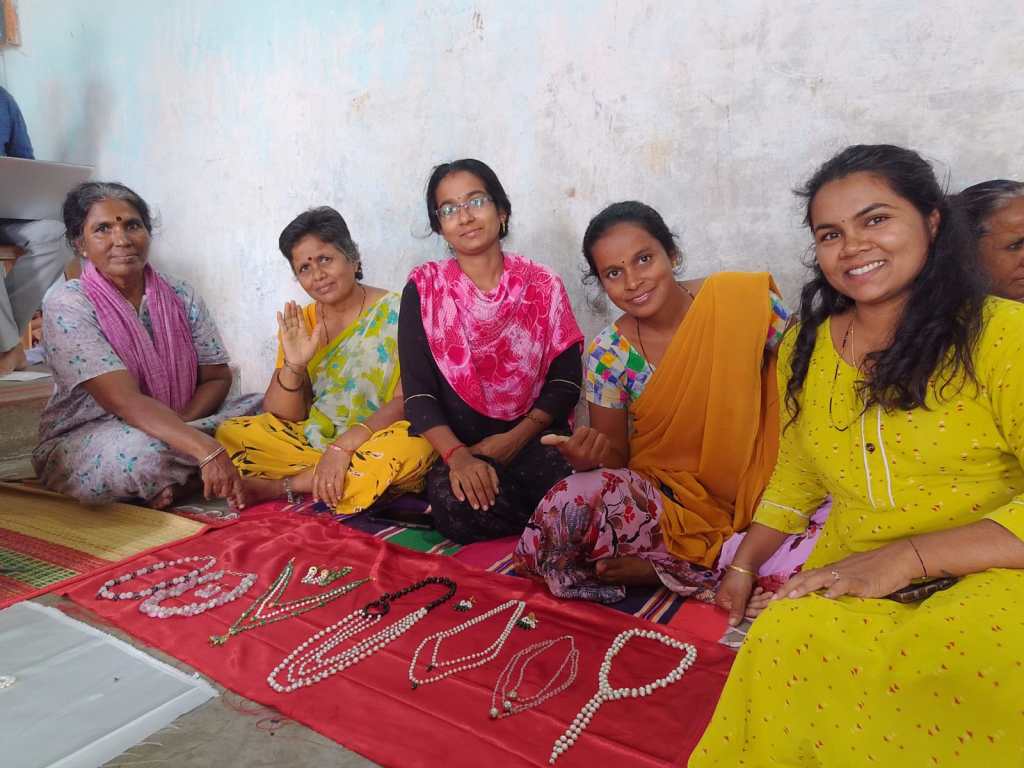
The Narikuravars: Preserving Tradition Through Craft
The Narikuravars, also known as the fox or jackal hunters, have a rich history steeped in mystery and folklore. Traditionally nomadic, they have traversed the landscapes of Tamil Nadu, Gujarat, and beyond, leaving behind a legacy of resilience and resourcefulness. Today, they are known for their exquisite bead jewellery, crafted with precision and care using traditional techniques passed down through generations.
Despite the challenges of urbanization and modernization, the Narikuravars have adapted their craft to suit contemporary tastes while preserving its traditional essence. By incorporating new materials and designs, they have breathed new life into age-old traditions, attracting a global audience drawn to the authenticity and craftsmanship of their jewellery. This adaptive advantage not only provides economic opportunities for the community but also serves as a source of cultural pride, reaffirming the importance of preserving heritage in a rapidly changing world.
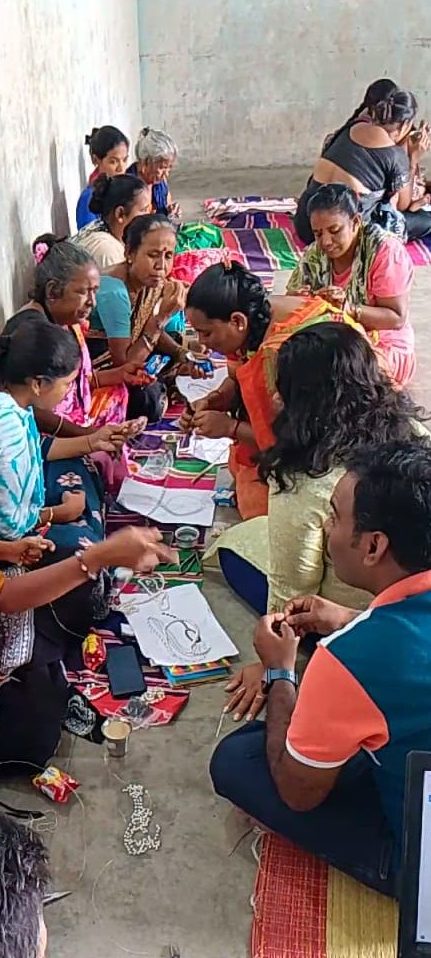
The Kuravas: Blending Tradition with Innovation
The Kuravas, considered among the oldest inhabitants of the sub-continent, have a rich tapestry of cultural heritage woven into their way of life. With a history rooted in hunting and trapping, they have adapted their traditional skills to meet the demands of the modern world. One such adaptation is the crafting of intricate embroidery, showcasing their mastery of needlework and design.
Through innovation and creativity, the Kuravas have expanded their repertoire beyond traditional motifs, embracing new techniques and materials to create contemporary pieces with a timeless appeal. Their adaptive advantage lies in their ability to blend tradition with innovation, catering to diverse audiences while staying true to their cultural roots. This not only sustains their craft but also empowers the community by providing avenues for economic independence and self-expression.
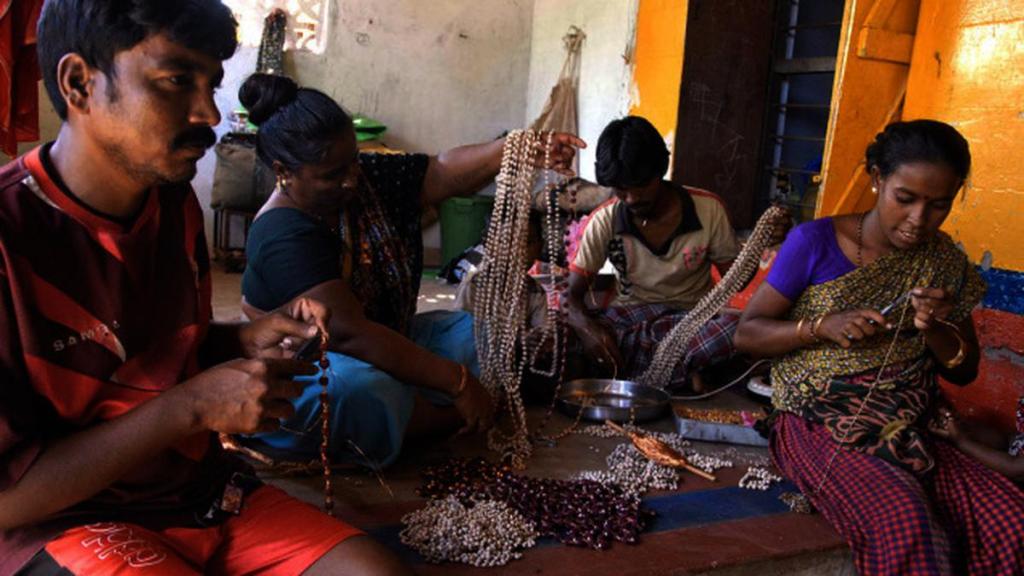
Empowerment Through Adaptation
The adaptive advantage demonstrated by both the Narikuravars and the Kuravas serves as a testament to the resilience and ingenuity of indigenous communities. By harnessing their unique crafts and embracing change, they have not only preserved their cultural heritage but also empowered themselves economically and socially. Their stories remind us of the importance of honoring tradition while embracing innovation, and the transformative power of craft in fostering pride, identity, and resilience within marginalized communities.
As we celebrate the adaptive advantage of these tribes, let us also recognize the importance of supporting and preserving indigenous crafts, ensuring that they continue to thrive for generations to come. Through collaboration, appreciation, and respect for diverse cultures, we can build a more inclusive and equitable world where every community has the opportunity to flourish and thrive.
 Ashwini .R. Kurup